
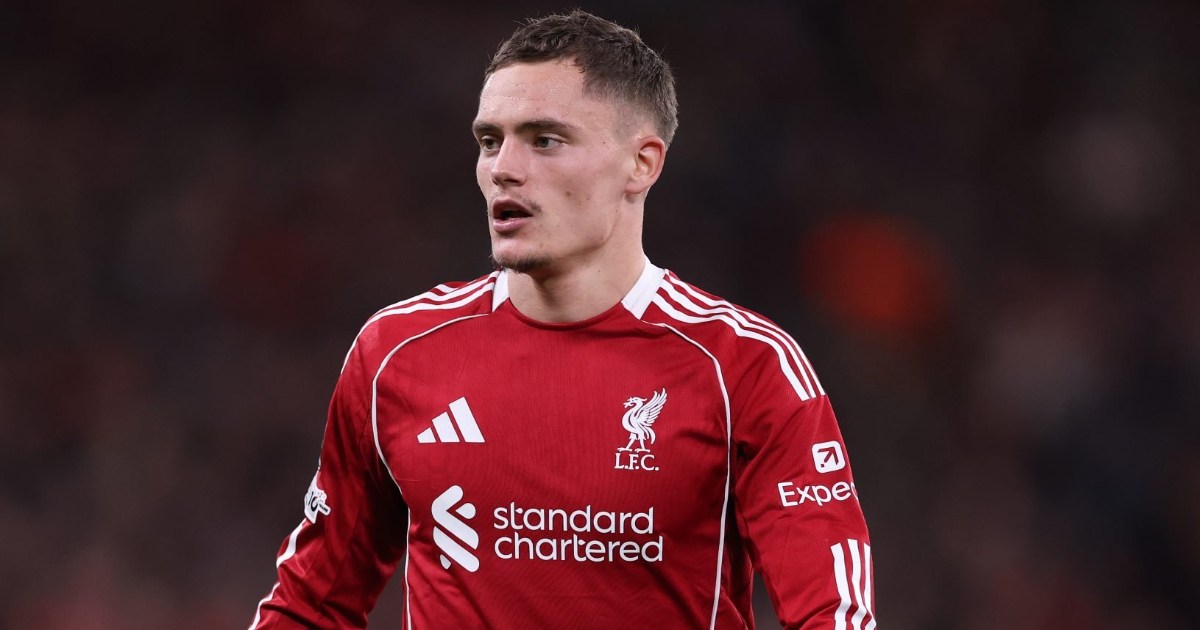

The world of European football has been reshaped by the monumental transfer of German sensation Florian Wirtz to Liverpool. When the Reds shattered their transfer record, and indeed the British transfer record, with a staggering €136.3 million deal to sign the attacking midfielder from Bayer Leverkusen, they did more than just sign a player—they made a seismic statement of intent. Arriving at Anfield as the reigning Bundesliga Player of the Season, Wirtz’s creative genius and goal threat were seen as the final, marquee piece in Liverpool’s midfield rebuild, a high-stakes gamble that instantly redefined the global market for elite young talent.
The reverberations of this deal were felt most acutely in Germany’s Bundesliga. For years, the league’s top clubs have nurtured world-class talent, only to see them poached at fees below their true market value. Wirtz’s transfer shattered that ceiling, setting a powerful new benchmark for future stars emerging from German academies. It immediately drew comparisons to contemporaries like Xavi Simons, whose own €60 million move from RB Leipzig to Tottenham was seen as a steal in the wake of the Wirtz deal. As Tottenham manager Thomas Frank noted, the similar paths of Wirtz and Simons highlight the Premier League’s intense demand for versatile, attack-minded midfielders, signaling a new era where Bundesliga clubs can command premium fees for their homegrown jewels.
Perhaps the most intriguing subplot of this saga unfolded in Bavaria. Bayern Munich’s Sporting Director, Max Eberl, recently offered a candid admission: signing Wirtz was a key strategic objective that ultimately “didn’t work out.” This was not a minor oversight but a significant miss for a club that prides itself on hoarding German talent. Eberl’s reflection underscores the harsh new reality for European giants; they can no longer assume domestic dominance in the transfer market. While Bayern successfully retained core stars like Jamal Musiala and added promising talents like Michael Olise, failing to secure Wirtz forced a strategic pivot, pushing the club toward a leaner, more cost-conscious squad-building model focused on its “clear identity” of proactive, high-energy football.
The final chapter of this landmark transfer is now being written on the pitch at Anfield. Wirtz’s adaptation to the Premier League’s relentless pace and physicality was a closely watched process, afforded the crucial benefit of a full preseason. While his progress has been steady rather than explosive, his increasing influence in Jürgen Klopp’s system validates Liverpool’s monumental investment. The move’s legacy extends far beyond Merseyside—it has emboldened selling clubs, reset market valuations, and forced rivals like Bayern to re-evaluate their recruitment strategies. In securing Florian Wirtz, Liverpool didn’t just buy a player; they catalyzed a shift in the very economics and power dynamics of European football’s transfer market.
